
How Clever Buyers Win Plymouth Homes Without Overpaying
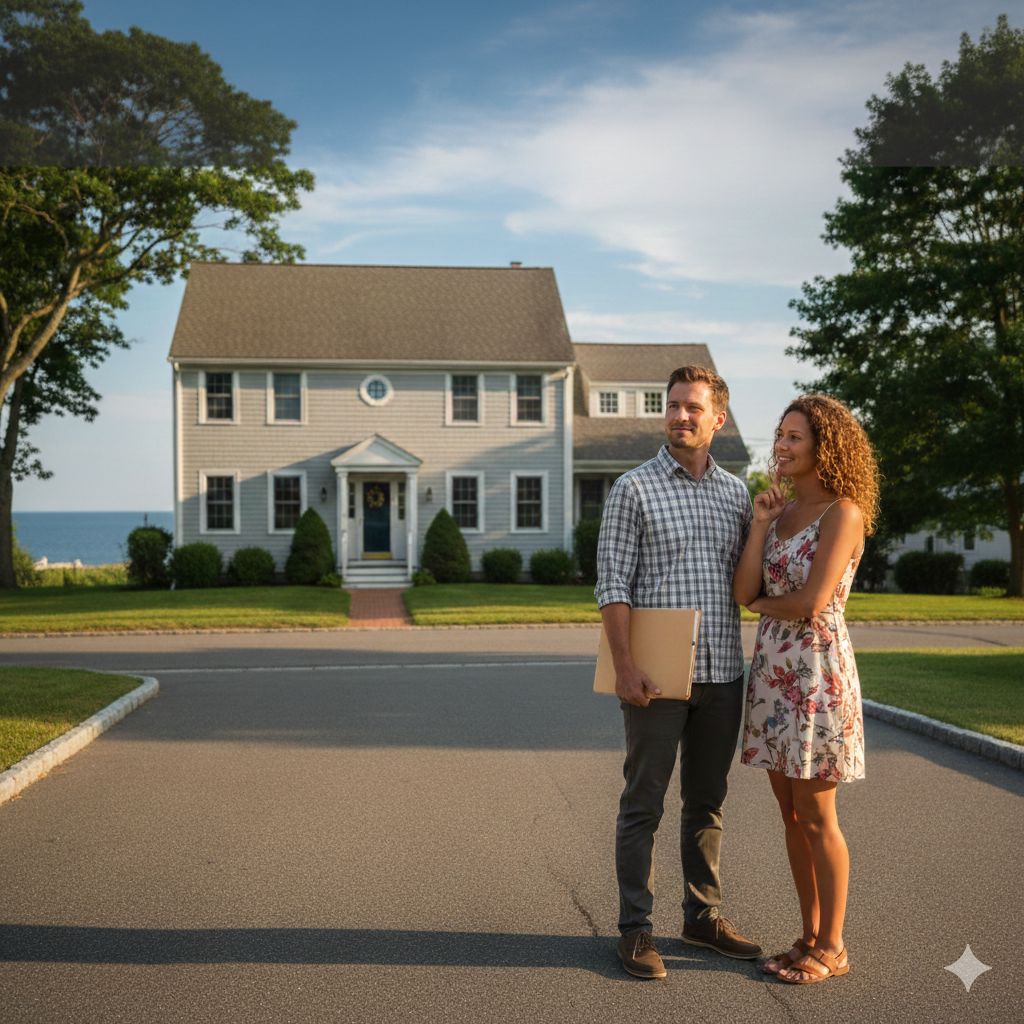
In a competitive market like Plymouth, it’s easy to believe that winning a home comes down to one thing: offering more money than everyone else.
But that belief is exactly what causes buyers to overpay, burn out, or lose homes they should have won.
The truth is simpler—and far more empowering:
Plymouth homes don’t go to the highest bidder.
They go to the most prepared buyer.
Strong buyers don’t win by getting emotional or reckless. They win by understanding what sellers actually care about and structuring offers that feel safe, certain, and easy to accept.
Here’s how prepared buyers consistently win Plymouth homes without overpaying.
Sellers Aren’t Chasing Price—They’re Avoiding Risk
From a seller’s perspective, the “best” offer isn’t the biggest number on paper. It’s the offer most likely to close smoothly, on time, and without surprises.
Sellers worry about things like:
Deals falling apart due to financing
Appraisals killing inflated offers
Endless inspection negotiations
Buyers getting cold feet or stretching too far
A slightly lower offer that feels solid often beats a higher one that feels risky.
Smart buyers win by removing doubt, not by throwing more money at the problem.
Preparation Is the Real Advantage
Prepared buyers walk into negotiations with leverage most people never see.
That preparation usually includes:
A fully underwritten pre-approval, not just a pre-qualification
Clear comfort with monthly payments and cash requirements
An understanding of market value, not just list price
A plan for inspections, appraisals, and contingencies before writing the offer
When a seller sees this level of readiness, the conversation shifts. The offer feels credible. The buyer feels serious. And that confidence often outweighs price alone.
Smart Terms Beat Emotional Escalation
Overpaying usually happens when buyers focus on price as their only tool. Prepared buyers know there are other levers that matter just as much—sometimes more.
Examples include:
Flexible closing timelines
Clean, clearly defined contingencies
Strong earnest money that signals commitment
Minimal back-and-forth during negotiations
These details communicate one thing clearly: this deal will close.
And sellers value certainty.
Strong Buyers Don’t Chase—They Choose
Emotion shows up when buyers feel behind, rushed, or unprepared. That’s when decisions get reactive.
Prepared buyers experience the opposite. They:
Know their numbers
Understand what the home is truly worth
Recognize when a situation is no longer aligned
Can walk away without panic
That ability to walk away is powerful. It prevents bidding wars from turning into regret and protects buyers from stretching beyond what makes sense long-term.
Winning smart sometimes means not winning a specific house—and being confident that the right one will come.
Overpaying Is Often a Symptom, Not a Strategy
Buyers who overpay usually aren’t doing it because the home is perfect. They’re doing it because:
They’re unsure how competitive their offer really is
They don’t trust their preparation
They feel pressure to “just win this one”
Strong buyers don’t rely on hope. They rely on clarity.
When you understand your position, your financing, and the seller’s priorities, you don’t need to overpay to feel confident. You already are.
The Real Win Is Long-Term Confidence
The goal isn’t just to get an offer accepted. It’s to feel good about that decision months and years later.
Prepared buyers don’t look back wondering if they paid too much or rushed the process. They know they made a smart, grounded choice—one that fits their finances, their goals, and their future.
That’s what winning actually looks like.
The Takeaway: You Can Win Smart, Not Emotional
In Plymouth, the buyers who succeed aren’t louder, faster, or more aggressive.
They’re calmer.
They’re clearer.
They’re prepared.
When you focus on strength instead of stress, strategy instead of emotion, you stop chasing homes—and start choosing them.
And that’s how you win without overpaying.
Check out this article next

How Old Is the Average First-Time Homebuyer in 2025?
The average first-time homebuyer is now 40, according to NAR. Learn why buyers are purchasing later and what this means for your homebuying journey in…
Read Article